How gasoline prices affect the economy

Gasoline prices often make headlines in the media. And this is quite natural, although ordinary consumers, as a rule, do not think about how much our lives depend on the cost of energy.
But if you are a trader, then understanding the relationship between the economy and asset prices is something without which no thoughtful forecast can exist.
We’ll tell you which areas are most affected by fluctuations in gasoline prices.
Retail
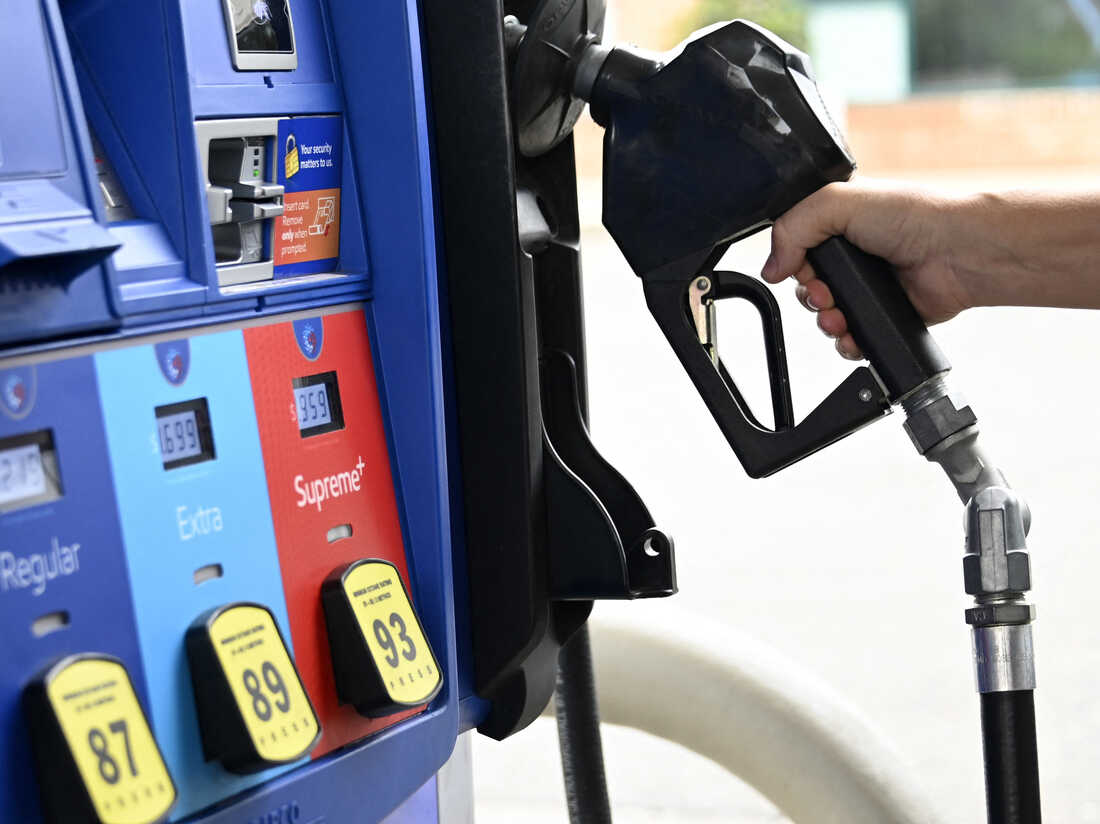
Elevated gasoline prices result in a reduction in consumer spending, as individuals allocate a larger share of their income to cover fuel expenses. The increased prices also lead to a decrease in travel to malls, theaters, and similar activities.
Compounding the challenge, retailers face heightened difficulties as they are compelled to transfer the escalated costs associated with rising shipping expenses to consumers. Everything requiring shipment or transportation, ranging from fruits to electronic goods, will witness an uptick in prices due to the surge in gasoline costs. This effect is particularly pronounced for products and their components that are manufactured overseas.
Public transport
Nevertheless, certain entities might experience advantages amid soaring prices. The escalation in gasoline prices has the potential to trigger a significant rise in public transportation ridership. In the event that gasoline prices persist in their upward trajectory, public transport may emerge as a more appealing option, presenting a cost-effective alternative to the high expenses associated with filling up fuel tanks.
Auto industry
Traditionally, the automotive sector has reacted to surges in gasoline prices by seizing the moment to manufacture smaller, more fuel-efficient vehicles. In contemporary times, there has been a notable shift towards the production of fully electric cars capable of covering distances up to 280 km on a single charge, presenting an eco-friendly alternative to traditional fuel-dependent vehicles.
Airlines
Airlines generally grapple with significant operating expenses, with the most substantial components being fuel costs and expenditures linked to oil procurement. Fuel costs constitute a considerable portion of an airline’s overall overhead expenses, making fluctuations in oil prices a substantial factor influencing airline profitability.
In efforts to shield themselves from the unpredictability of oil prices, and at times to capitalize on surges in gasoline prices, airlines commonly employ a strategy known as fuel hedging. This involves engaging in transactions to buy or sell anticipated future oil prices using various investment instruments, providing a safeguard against rising fuel costs.
Job openings
Some economists warn that rising gasoline prices could hurt the economic recovery in terms of hiring practices. Rising gas prices may cause some businesses to reconsider their openings because they are uncertain about the state of the economy. Less consumer spending leads to lower sales, both of which can impact a company’s ability to hire employees.

Related articles
-
Current trends
3 minWhat is “agflation” and how does it work?
Not only the stock and cryptocurrency markets are filled with events and news! In fact, a large percentage of the dynamics occur in the agro-futures market: soybeans show a prolonged price decline, which is why traders increase short positions, and prices for cocoa beans, on the contrary, have not stopped growing since last year. Therefore, […]
0 0Read article -
Economic basics
4 min4 key factors in the impact of inflation
Investors’ main focus this week is on the personal consumption expenditure index. And the reasons for them are clear: this economic indicator demonstrates the level of inflation. Many of us – even those who have no trading experience – have heard that inflation is bad. But what does this economic indicator actually mean? Inflation is […]
0 0Read article -
Economic basics
3 minPPI and CPI: the difference between them
Last Friday, the results of the US producer price index became known, which turned out to be higher than expected. This immediately triggered a change in market dynamics. Why is this indicator so influential? Producer Price Index as well as Consumer Price Index are two important economic indicators that are easy to track. Although both […]
0 0Read article -
Economic basics
3 minEconomic indicators: how to interpret?
This week, markets are again awaiting the release of US economic data. This time, attention is mainly focused on the consumer price index and producer price index. Therefore, it’s time to look at the question on a rather basic but important topic – what are economic indicators and how to interpret them. Economic indicators are […]
0 0Read article -
Economic basics
3 minWhy interest rate is important for the market
If you trade indices and stocks in the US stock market, you have probably noticed how traders and investors are waiting for signals from the US Federal Reserve regarding interest rates. The day before, the Fed left the rate in the same range and, most likely, will not lower it in March. Changes in interest […]
0 0Read article -
Economic basics
3 minNonfarm payrolls: why it’s crucial for a trader
The U.S. Department of Labor’s monthly nonfarm payrolls report is one of the most important economic indicators traders track. It is published on the first Friday of each month and contains data on the number of new jobs in the United States, as well as average wages. This information can have a significant impact on […]
0 0Read article -
Economic basics
4 minWhat is a recession and how to prepare for it?
With rising inflation and an impending energy crisis, many are wondering whether we are already in a recession or about to enter one.In this article, we will explain what determines a recession, its causes, and how best to prepare for it. What is a recession? Although there is no generally accepted definition of a […]
2 0Read article