
Short squeeze in trading: causes, signs and risks
 ParadTrade

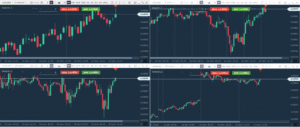
Short squeeze is a sharp increase in the price of an asset caused by the forced closure of short positions, which leads to an avalanche-like increase in demand and accelerates the upward movement.
Characteristics
Cause of occurrence: Occurs when a large number of traders hold short positions and the price unexpectedly begins to rise, forcing them to close trades at a loss.
Mechanism: closing short positions requires buying an asset on the market, which creates additional demand and pushes the price up even more.
Features: accompanied by sharp, almost vertical price movements, increased trading volumes and high volatility.
Short squeezes most often occur on stocks with high short interest and low liquidity, but can also occur on large instruments during periods of unexpected news.
Examples
GameStop (GME), January 2021: a classic example of a short squeeze – the massive closing of short positions caused an explosive growth of quotes by more than 1000%.
Tesla (TSLA): Has been subject to multiple short squeezes when strong reports or news lead to massive short buybacks and sharp gains.
BTC and the altcoin market, October 2025: classic short squeeze, collecting liquidity from buyers who did not take their profits and expected further growth of the first cryptocurrency, and then all the others
Recommendations
- Be careful when entering shorts in overheated markets or near strong support levels – a sharp reversal can lead to large losses.
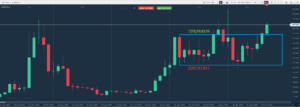
- For speculative trading, look for signals of the beginning of a short squeeze: a breakdown of a key level upward, a surge in volumes and panicky closing of positions.
- Remember that a short squeeze is a short-term phenomenon: after a wave of liquidations ends, the price often returns to more balanced levels.
Short squeeze is the “fuel” for rapid growth. Understanding its mechanism helps you avoid falling into the trap of shorting and use its power to your advantage by opening trades at an early stage of the impulse.