
How to Trade Forex: A Beginner’s Guide
 ParadTrade
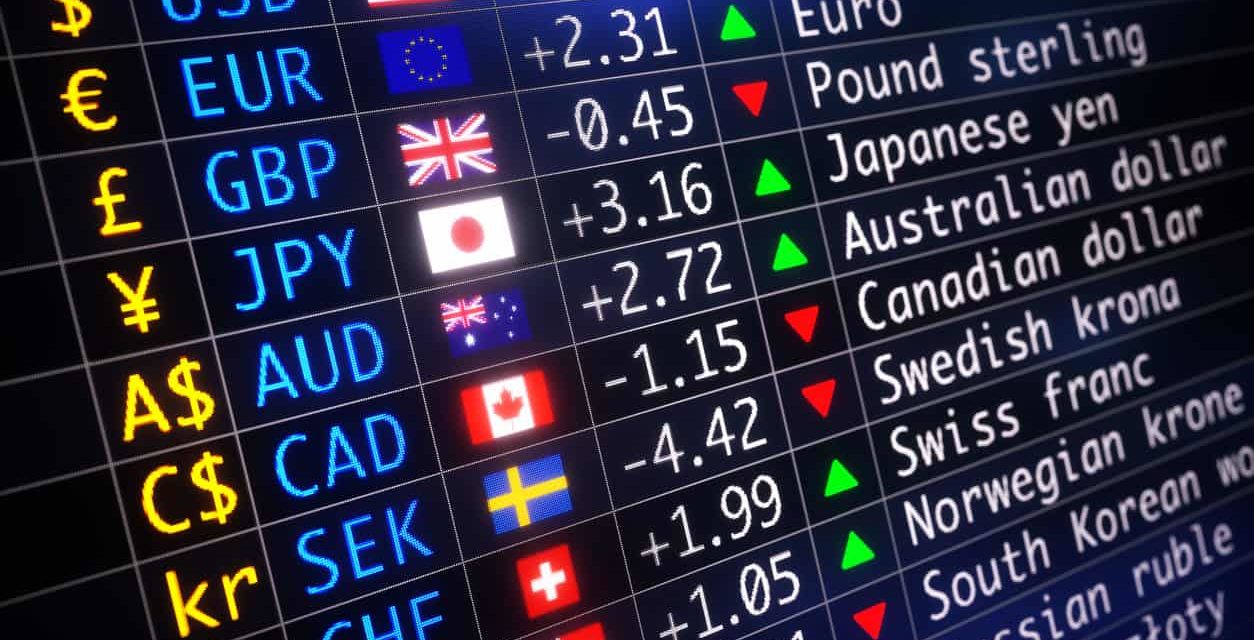
The foreign exchange market, also known as forex (FX), is the largest and most liquid market in the world. The foreign exchange market, in which more than $7.5 trillion is traded daily, has an impact on consumers in the global market, affecting the prices of imported and exported goods.
Despite the fact that the forex market is huge, 75% of currency trading is conducted in seven major currency pairs, six of which include:dollar(USD), and participants are governments, major international banks, regional banks, corporations and individuals.
Foreign exchange trading lasts 24 hours a day, only shopping centers change during the day.We take a look at how the forex market works and what you need to know to trade in the biggest and busiest arena of the financial world.
Start of trade
Forex trading involves buying or selling one currency in exchange for another. The purpose of trading is to profit from changes in the exchange rates of two currencies. To trade forex, you need to open a trading account with a broker who provides access to the market. After opening an account, you will need to deposit funds for use in trading.
Once you have funds in your account, you can start trading by placing orders to buy or sell currency pairs. These orders can be placed through the broker’s trading platform, which provides real-time access to price and chart information. To succeed in forex trading, you need to develop a trading strategy that takes into account factors such as market conditions, news events, and chart analysis.
For example, if you place an order to buy USD/CAD, you are betting on the appreciation of the US dollar against the Canadian dollar, and this is considered a long position. If you place an order to sell USD/CAD, you’ll bet on strengthening the Canadian dollar against the US dollar – and that’s a short position.
Steps required for Forex trading
Starting forex trading is relatively simple. While there are some differences in opening a traditional stock trading account and a brokerage account, the overall steps are largely the same.
Step 1Study and choose a broker. The first step is to find out which brokers will offer you a foreign currency trading account. If your broker supports forex trading and you have an approved margin agreement, you can skip this step and start trading.
Step 2: Open a forex trading account. To open an account, you need to provide personal information, including name, address and taxpayer identification number, as well as some financial information. You will also have to answer some questions about your finances and investment goals.
Step 3: Confirm your identity. Your broker will verify your identity with your passport, license or national ID. A copy of your utility bill or bank statement will also help confirm your address.
Step 4: Fill up your forex account. Once your account is approved, you need to top it up to start trading. Some forex platforms allow you to start trading with as little as $100.
Step 5: Study currencies and identify trading opportunities. Once an account is opened and replenished, forex traders typically choose the currency pairs they want to trade and then use technical analysis to determine the time points and price levels to enter and exit a trade.
Step 6: Evaluate your first forex trade. Before making your first trade in the foreign exchange market, each trader should understand what capital they have, as well as what specific leverage is available to them for the chosen currency pair. Since leverage in forex trading can be as high as 50:1, it is very important to understand how much capital you risk in any trade. The 1% rule on how much capital to risk in a particular trade is a good practical advice for beginner forex traders. This means you only have to risk 1% or the total value of your account in a particular trade.
Know the risks
Like any trading market, forex trading involves risk. It can be volatile because markets can adapt to new information and news very quickly. While this is similar to many other markets, central banks are also participants in forex trading. Because they make up a significant market share, prices can fluctuate greatly throughout the day. Although such volatility and price behavior attract many traders, the associated price fluctuations also increase the risk of exiting positions.
Moreover, leverage is significantly higher when trading currencies than when trading stocks: some brokers offer leverage of up to 50:1 for more liquid currency pairs. This is a significantly greater leverage than the 2:1 leverage offered to short traders. Leverage brings traders great profits, but this opportunity also implies a proportionate risk of losses. The leverage effect makes trade selection, size and position management very important for risk control. It should also be noted that less active currency pairs may have even sharper movements due to less liquidity.
Would you like to receive information from us in a different format? Then subscribe to ours.InstagramRead articles in the form of cards!
Quick answers
Frequently asked questions
What is traded in the Forex market?
Forex prices one currency relative to another, so transactions are expressed as currency pairs such as EUR/USD.
Why does leverage increase risk?
Leverage increases position size relative to available capital, so the same price move has a larger effect on both gains and losses.
When is the Forex market most active?
Activity often increases when major trading sessions overlap and around important economic releases, but higher liquidity can also come with greater volatility.