
Investing in Gold: A Brief Guide
 ParadTrade
Gold is one of the most popular assets, and that’s not surprising. In addition to its rich history, the metal is still used as a safe haven during times of inflation and instability.
Traders who want to invest in gold directly have three options: they can buy a physical asset, shares of a mutual or exchange-traded fund (ETF) that repeats the price of gold, or trade futures and options on an exchange.
Let’s look at these options in more detail.
Purchase of gold bars
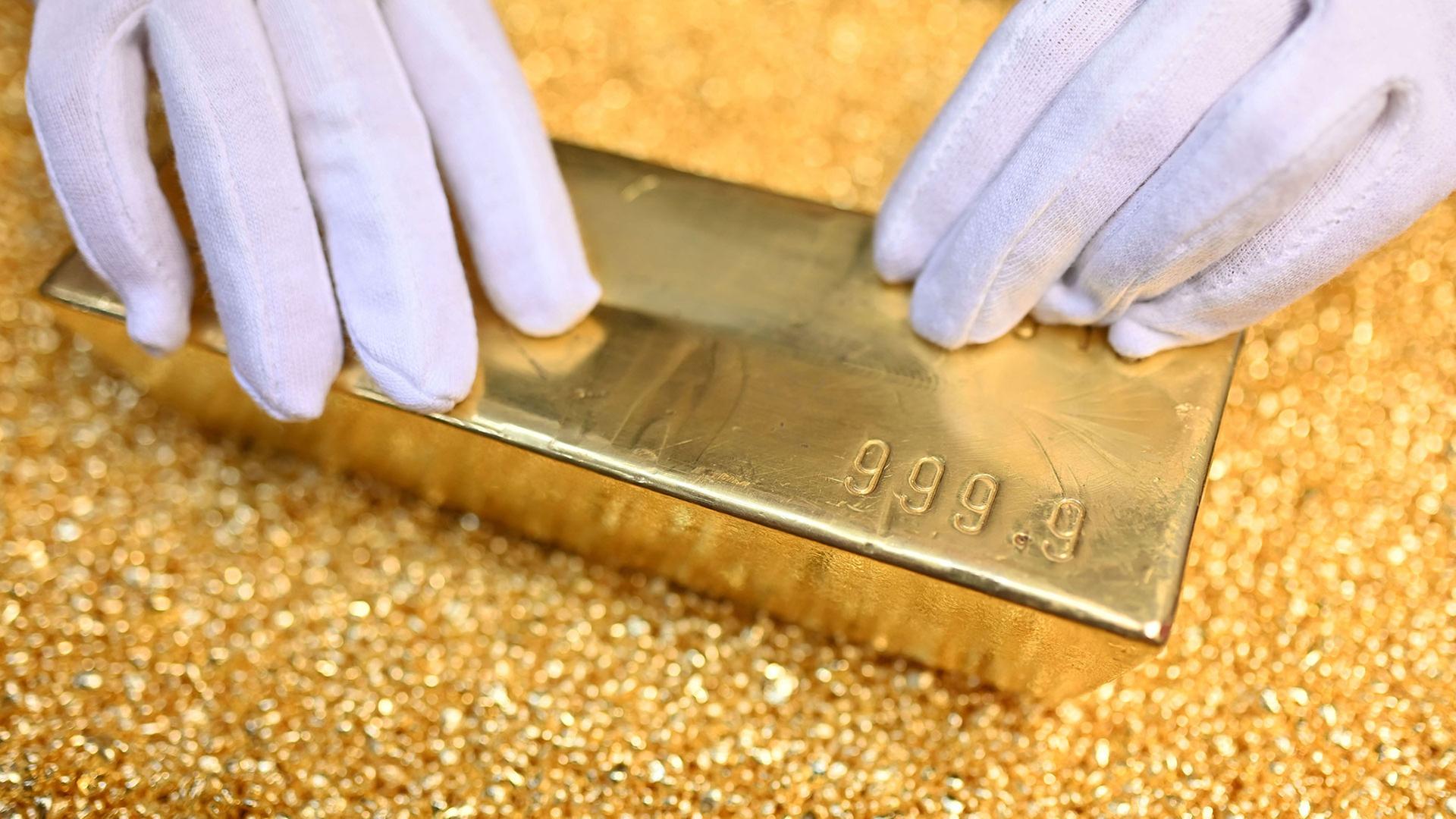
Compared to other commodities, gold is more readily available to the average investor because a person can easily purchase gold bars (true yellow metal in the form of coins or bullion) from a precious metals dealer or, in some cases, from a bank or brokerage.
Bars are available in sizes ranging from a quarter-ounce plate to a 400-ounce brick, but new investors usually prefer coins. Note that they should not be confused with old numismatic coins: these are new issues, the price of which is determined by the content of gold with an additional mixture of metals.
Whatever you prefer, make sure you buy from a reliable dealer, in person or offline. Gold coins require responsible storage – either in a home safe or in a safe deposit box. Be sure to insure them.
Gold jewelry also allows the investor to enjoy wearing it. Gold is often combined with other precious stones and metals to enhance the overall value and appearance of jewelry. These items can be passed on to the next generation as family heirlooms, adding sentimental value beyond the thing itself. Jewelry is usually not the best option if it is strictly an investment because the retail price is usually much higher than the cost. This is due to the quality of manufacturing and retail margin. Always determine the purity of gold before buying jewelry to avoid paying for 18-karat gold, while you only purchase the item with 14-karat.
Buying gold funds
While storing bars is more convenient than, say, buying a barrel of oil or a box of soybeans, owning physical gold has its own problems: transaction fees, storage costs, and insurance. Investors interested in a more liquid and inexpensive entry into the gold market may instead consider mutual funds and exchange-traded funds that replicate the movement of the commodity.
SPDR Gold Shares (GLD), for example, is one of the oldest ETFs of its kind, created in 2004. Stocks are traded on the New York Stock Exchange and can be bought or sold at any time during the trading day, just like stocks. Each ETF stock represents one-tenth of gold.
For example, if gold is trading around $1,300 per ounce, a gold ETF would trade at about $130 per share. GLD invests exclusively in bullion, giving investors direct access to changes in metal prices. Other funds invest in both bars and shares of public companies engaged in the extraction, processing or production of gold.
As a rule, gold reserves rise and fall faster than the price of gold itself. Individual companies also face problems unrelated to bar prices, such as political or environmental issues. So investing in an ETF that owns gold stocks is a higher-risk way of playing, but it also offers the potential to add value that is not present when investing in bullion.
Buying options for gold futures
More experienced investors who do not want to risk more capital may consider options for gold futures or options for gold ETFs. These contracts represent a right, but not an obligation, to buy or sell an asset (in this case gold) at a specified price over a specified period of time. Options can be used regardless of whether you think the price of gold is going up or down. If you guess wrong, the maximum risk associated with buying options is the premium you paid to conclude the contract.
Put and call options for gold futures available in the U.S. through the Chicago Mercantile Exchange can be bought and sold through a futures broker. Options on SPDR Gold Shares ETFs are also available to investors and can be traded on a standard brokerage account approved for options trading.
Purchase of shares in gold mining companies
If you don’t want to or can’t invest in gold directly, you can always pay attention to gold mining stocks. Keep in mind, however, that gold reserves do not necessarily move in line with bullion prices, as the success or failure of mining companies depends on their individual operating performance and how they allocate their capital and make a profit. You have no confidence in the physical possession of the metal if the companies you buy go bankrupt.
Would you like to receive information from us in a different format? Then subscribe to ours.InstagramRead our articles in the form of cards!